Christmas Cheer Digital Papers Review
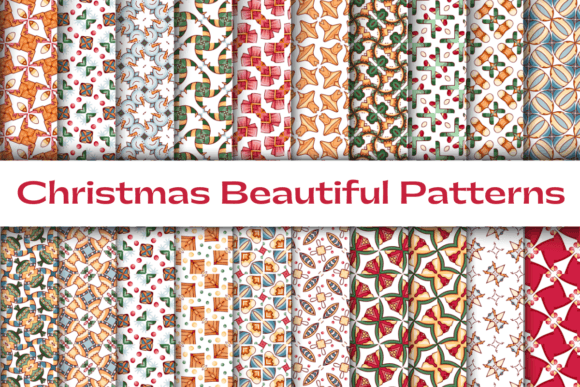
When I first opened the folder for Christmas Cheer Digital Papers, I wasn't just looking at a collection of patterns; I was visualizing them stitched into fabric. As someone who has spent years turning digital files into tangible, sellable goods, my initial reaction is always practical. Does this design have the structural integrity to survive a wash? Will it look professional on a boutique shelf? The mood here is undeniably festive, but the real question is whether it translates well from a screen to a sewing machine.
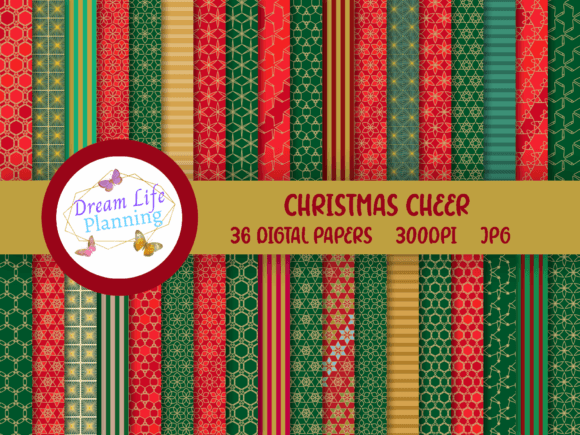
The visual personality of these papers feels warm and inviting, leaning heavily into traditional holiday aesthetics without feeling cluttered. The layout suggests a cohesive theme that works beautifully for seasonal collections. For an embroidery designer, the immediate appeal lies in the potential for creating high-value items like custom holiday gifts or limited-edition shop merchandise. It screams "handmade," which is exactly what customers are craving when they browse Etsy or visit local craft fairs.
From Screen to Stitch: A Real-World Scenario
Let's imagine a specific project scenario to see how Christmas Cheer Digital Papers performs under pressure. Picture yourself preparing for the busy Q4 season. You need a standout product for your small business, something that captures the spirit of the holidays but stands out in a crowded marketplace. You decide to create a line of personalized embroidered aprons for home bakers and kitchen enthusiasts.
In this context, the design needs to be bold enough to catch the eye but detailed enough to justify a premium price point. When I mock up Christmas Cheer Digital Papers on a heavy cotton canvas apron, the pattern fills the space perfectly. The shapes are distinct, allowing for clear definition even when stitched with standard thread colors. Imagine the finished product: a baker wearing an apron featuring this motif, holding a tray of cookies. The design adds a layer of charm that elevates the item from a simple utility garment to a thoughtful, personalized gift.
This same logic applies to other apparel decorators working on sweatshirts or tote bags. The versatility of the pattern allows it to adapt to different textures. On a soft fleece sweatshirt, the design might appear softer and more cozy, while on a sturdy canvas tote, it projects durability and style. The key here is how the design interacts with the fabric texture. If the underlying material has a heavy weave, the stitches need to penetrate deep enough to show, but not so much that they distort the shape of the paper pattern.
Performance Across Different Embroidery Projects
Not every design fits every application, and knowing where Christmas Cheer Digital Papers shines is crucial for any creative entrepreneur. For commercial embroidery projects involving baby clothes, the design offers a delightful touch. The gentle curves and cheerful motifs translate well onto onesies or bibs, provided the stitch density isn't too aggressive. Babies' skin is sensitive, so a design that is too dense can cause discomfort. In this case, the running stitch elements of the pattern likely offer a softer feel compared to heavy satin fills.
However, there are limitations to consider when moving to smaller or more challenging substrates. If you are planning to use this as an embroidered patch for a denim jacket or a cap, you must be careful with the hoop size. Caps present a curved surface that can stretch the fabric, potentially distorting circular or symmetrical elements of the design. Similarly, tiny lettering often found in decorative accents can become illegible if the detail level is too fine for the chosen needle size.
For textile artists focusing on nursery decor or pillow covers, the design excels. The pattern creates a focal point that anchors the room's aesthetic. Whether used on a tea towel or a blanket, the visual appeal remains strong. The contrast between the design lines and the background fabric is vital here. On light fabrics, the design pops with clarity, but on dark fabrics, you will need to strategize your thread colors carefully to ensure the details don't get lost in the shadows.
Strategic Considerations for Small Business Owners
If you are an Etsy seller or a maker selling handmade products, the perceived value of your item is directly tied to the quality of the execution. Christmas Cheer Digital Papers has the potential to boost buyer engagement simply because it looks professionally executed. Customers associate crisp stitching and consistent patterns with trustworthiness. When a client receives a personalized gift that features a clean, well-stitched design, they are more likely to return for future purchases or recommend your shop to others.
However, achieving that professional look requires diligence. Before committing to a full production run, you must test the design on scrap fabric first. This step is non-negotiable. You need to check thread color contrast to ensure the design doesn't blend into the background. Review the stitch density to prevent puckering, especially on stretchy fabrics like jersey or spandex blends. Dense stitch areas can pull the fabric, ruining the drape of a garment or causing the design to warp over time.
Another critical factor is the stabilizer. Using the proper stabilizer ensures that the machine embroidery design holds its shape during and after stitching. Without adequate support, intricate corners and detailed sections may sag or tear. If you are producing items for frequent washing, such as kitchen towels or children's clothing, the stability of the stitches is paramount. A design that looks great initially but falls apart after one wash will damage your brand reputation.
Practical Designer Notes for Implementation
- Test First: Always run a sample on the actual fabric you intend to use. Fabric behavior varies wildly, and what works on cotton might fail on polyester blends.
- Hoop Size Check: Confirm the hoop size required for the design. If the design exceeds your machine's capabilities, you may need to split the file or adjust the placement.
- Color Contrast: Inspect small details in black and white mockups. Sometimes colors hide lack of definition that becomes obvious once stitched.
- Licensing Verification: Ensure you understand the license terms before selling finished items or using the design assets in commercial projects. Some digital files are for personal use only.
- Thread Selection: Experiment with different thread colors to find the best match for your target audience. Metallic threads can add luxury but require specific tension settings.
Ultimately, Christmas Cheer Digital Papers is a versatile tool in the hands of a skilled embroiderer. It offers a balance of charm and structure that suits everything from hobbyist crafts to serious boutique branding. By approaching the project with a critical eye and following sound technical practices, you can transform this digital pattern into a finished product that delights customers and strengthens your business.
Whether you are creating a holiday gift for a loved one or launching a new line of custom apparel, this design provides a solid foundation. It invites creativity while demanding respect for the technical nuances of embroidery. With the right preparation, Christmas Cheer Digital Papers can become a staple in your portfolio, helping you deliver high-quality, memorable handmade products that stand the test of time.