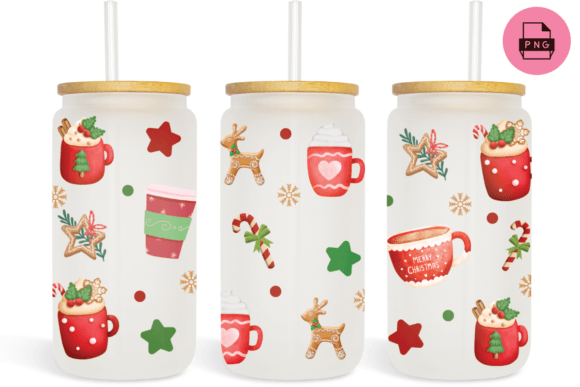
Coffee Christmas 16 Oz Libbey Glass Can
When I first opened the file for Coffee Christmas 16 Oz Libbey Glass Can, I didn't just see a graphic; I saw a specific moment. It's that cozy, slightly chaotic morning where the holiday rush meets the need for caffeine. As an experienced designer who has stitched hundreds of designs for real clients, my initial reaction is one of genuine appreciation for the mood this piece sets. It isn't trying to be a high-art masterpiece, nor is it overly complex. Instead, it captures the essence of a winter coffee break with a distinct visual personality that feels right at home in a craft business or a handmade gift shop.
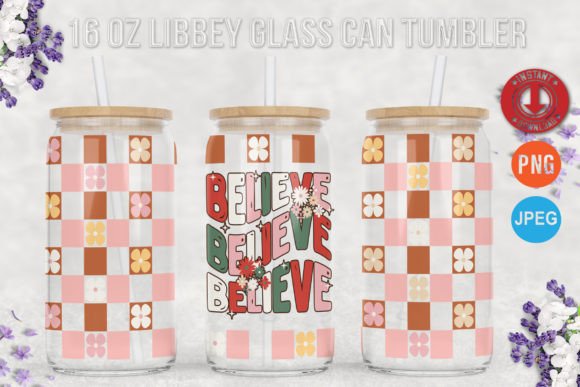
The layout centers around the iconic shape of a 16-ounce glass can, a vessel we all recognize from our own kitchen cabinets. The design leverages this familiarity to create an instant connection. For an embroidery project, recognition is key. If a customer sees the finished product on a tote bag or a sweatshirt and immediately understands the reference, the emotional value of the item skyrockets. This machine embroidery design works because it taps into a shared cultural experience: the love of hot drinks during the holidays. It feels practical, approachable, and undeniably festive without being generic.
Real-World Application: From Screen to Stitch
I recently put Coffee Christmas 16 Oz Libbey Glass Can through its paces while preparing a custom order for a local boutique client. They needed a line of holiday merchandise that felt personal but was easy to produce in bulk. We decided to use this design on heavy cotton canvas tote bags and flannel aprons. The choice was strategic. The sturdy fabric of the apron provided a perfect backdrop for the detail work, allowing the satin stitch elements to shine without distorting the image.
The visual appeal of the final product was immediate. When the thread colors were selected correctly—deep greens, warm reds, and a rich coffee brown—the design popped against the dark fabric. It transformed a standard utility item into a conversation starter. I watched customers pick up the finished aprons and smile, recognizing the "Libbey" aesthetic before even reading the text. That level of engagement is exactly what Etsy sellers and small business owners chase. It elevates the perceived value of the item, making it feel less like mass-produced junk and more like a curated, handmade asset.
However, the success of this project relied heavily on understanding the limitations of the design. While the concept is strong, the execution requires precision. The design includes fine lines and potentially small lettering details that mimic the label on a glass can. On a tote bag design, these details held up well because the fabric was stable. But if I had attempted this on a stretchy knit fabric for a baby onesie without proper stabilization, the result could have been a distorted mess. The stitch density needs to be balanced carefully to ensure the texture of the fabric doesn't get lost under too much thread.
Navigating Technical Challenges and Fabric Choices
Not every surface is created equal, and knowing where to place Coffee Christmas 16 Oz Libbey Glass Can is crucial for maintaining professional standards. I have seen designers struggle when applying detailed vector-based embroidery files to curved surfaces like caps. The curvature of a baseball cap can distort the straight lines of the glass can illustration, making it look wavy or off-center. While the design might work on a flat patch or a pillow cover, applying it to a curved brim requires significant digitizing adjustments that aren't always present in the original embroidery file.
Texture is another factor that demands attention. If you are working with a heavily textured fabric, such as a chunky wool sweater or a rough burlap sack, the fine details of the design might get swallowed up. In these cases, the contrast between the thread and the fabric becomes less distinct. For holiday embroidery projects involving blankets or thick fleece, I recommend testing the design on a scrap piece first to ensure the fill stitch areas don't become too dense and stiff. A design that looks crisp on a screen can sometimes feel rigid on a soft garment if the density isn't adjusted for the material.
Dark fabrics also present a unique challenge. To make the colors of the glass can stand out, you often need a lighter background or a very specific thread palette. If the design relies on white highlights to define the edges of the glass, those details will disappear on a black shirt unless you add a layer of white underlay or backing. This is where the skill of the embroiderer comes in. You must evaluate whether the design's color scheme supports the intended product. For a custom apparel piece, ensuring that the thread colors complement the base fabric is essential for a polished look.
Strategic Placement for Maximum Impact
Where does this design fit best in your product lineup? Beyond the obvious choices of aprons and totes, I believe this design has untapped potential in the realm of personalized gifts. Imagine a set of matching kitchen towels featuring this design, perhaps paired with a different beverage theme for a complete collection. The versatility allows it to function as part of a larger brand identity. For commercial embroidery projects, consistency is everything. Using Coffee Christmas 16 Oz Libbey Glass Can across multiple items creates a cohesive look that builds trust with buyers.
If you are a digital product seller offering mockups, this design is a goldmine. Creating a realistic preview of how the design looks on a printed tea towel or a embroidered hat can significantly boost sales. Customers want to visualize the end result before they buy. By showing the design in various contexts—on a dark sweatshirt, a light tote, or a nursery wall hanging—you demonstrate its adaptability. This transparency helps creative entrepreneurs build a reputation for quality and reliability.
Practical Designer Notes for Success
Before you hit the "start" button on your machine, there are several steps you must take to ensure the finished product meets your expectations. First and foremost, always test the design on scrap fabric. This simple step can save you hours of rework and wasted materials. Check the hoop size requirements to ensure the design fits within your machine's capabilities without needing to split the file unnecessarily.
Review the stitch density closely. High-density areas can cause puckering, especially on lightweight fabrics. If the design features a lot of running stitch or delicate outlines, consider using a cut-away stabilizer to provide extra support. For applique design variations, ensure that the placement lines are clear and that the fabric pieces align perfectly with the underlying stitches.
Thread color selection is not just about aesthetics; it is about legibility. Make sure the contrast between the thread and the fabric is sufficient to render the details of the glass can clearly. If you are unsure about the licensing terms, verify them before selling any small shop products. Some print templates may restrict commercial use, while others allow for unlimited sales of finished goods. Confirming these details protects your business from legal issues down the road.
Finally, inspect the small details. Does the text remain readable after stitching? Are the corners of the glass can sharp, or do they blur? These nuances separate a hobbyist project from a professional offering. By taking the time to analyze Coffee Christmas 16 Oz Libbey Glass Can critically, you ensure that your handmade product stands out in a crowded market. Whether you are creating a personalized gift for a family member or stocking shelves for a craft fair, this design offers a solid foundation for a successful project.
In conclusion, Coffee Christmas 16 Oz Libbey Glass Can is more than just a seasonal graphic; it is a versatile tool for designers who understand the balance between art and utility. With careful planning, appropriate fabric selection, and a keen eye for detail, this design can elevate your embroidery work to new heights. It reminds us that great design isn't just about looking good on a screen; it's about how it feels in the hand and how it connects with the people who wear or use it.