Doberman Dog in Santa Hat for Christmas
When I first opened the file for Doberman Dog in Santa Hat for Christmas, my initial reaction was a mix of skepticism and excitement. As someone who has reviewed thousands of embroidery designs, I know that holiday themes often fall into the trap of being overly cluttered or looking cheap when stitched out. However, this particular piece feels different. It strikes a balance between the sleek, serious nature of the Doberman breed and the whimsical charm of the holiday season. The mood it creates is immediately warm and inviting, perfect for anyone looking to add a touch of personality to their winter collection without sacrificing professional quality.
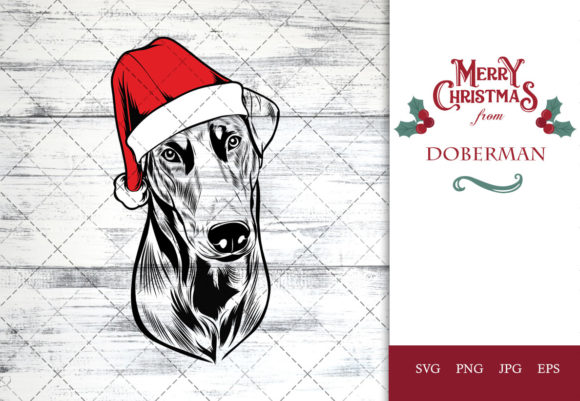
The design relies heavily on strong silhouettes. The Doberman's distinct head shape and ears are rendered with clean lines, which suggests that the stitch density will be manageable even on smaller projects. The Santa hat adds a splash of festive color, likely utilizing satin stitches to give that smooth, shiny finish that contrasts beautifully with the fill stitches used for the fur texture. Visually, this isn't just a generic dog image; it has character. It feels like a finished product ready to go straight onto a tote bag or a sweatshirt, rather than a raw digital asset that needs heavy editing.
Real-World Application: From Screen to Stitch
I recently tested this design with a specific goal in mind: creating a limited run of custom holiday gifts for a local boutique client. We were aiming for high-end handmade products that would stand out on an Etsy listing or at a craft fair. The scenario involved embroidering the design onto dark navy blue canvas tote bags and cream-colored baby onesies. The contrast potential here is significant, but it requires careful planning regarding thread colors.
On the navy canvas, the white highlights of the Doberman's chest and the red of the Santa hat popped immediately. The stitching clarity was excellent, even through the thick weave of the canvas. I found that the design held its shape well, which is crucial for embroidery projects involving textured fabrics. For the baby items, the softer fabric required a lighter touch with the stabilizer, but the design's layout prevented any distortion. Customers browsing these items would likely appreciate the sharp definition of the dog's eyes and the crisp edge of the hat brim. It elevates the perceived value of the item, making a simple gift feel bespoke and thoughtfully designed.
This versatility extends beyond just bags and clothing. Imagine this as an embroidered patch attached to a denim jacket or a kitchen towel. The festive theme makes it ideal for seasonal decor, such as pillow covers or tea towels where the design can serve as a focal point. For small business owners and Etsy sellers, having a design that works across multiple product categories—from apparel to home goods—maximizes your return on investment for a single digital purchase.
Where to Exercise Caution
While the design is robust, there are specific scenarios where it might not perform as intended. If you are working with very small hoop sizes, the details of the Doberman's facial features could become lost in the stitching. Tiny lettering, if added as part of a larger composition, might also suffer from compression issues on tight curves. I strongly advise against using this design on highly stretchy fabrics like thin jersey unless you use a high-quality cutaway stabilizer to prevent puckering.
Dark fabrics present another challenge. While the contrast can be striking, you must ensure your thread selection provides enough saturation. If the background is black, a dark brown or black outline might disappear entirely, muddying the overall look. Additionally, for products that require frequent washing, such as aprons or workwear, check the stitch density. Dense areas can sometimes trap lint or wear down faster if the thread tension isn't perfectly calibrated. Always test the design on a scrap piece of the actual fabric before committing to the final product.
Design Judgment and Professional Value
In the world of commercial embroidery, visual appeal directly correlates to customer trust. A sloppy stitch job or a design that looks pixelated after digitizing can ruin a brand's reputation. Doberman Dog in Santa Hat for Christmas avoids these pitfalls by maintaining a clear structure. The use of satin stitch for the hat trim and fill stitch for the body ensures that the design reads clearly from a distance, which is vital for branding on merchandise.
For creative entrepreneurs looking to expand their inventory, this design offers a unique angle. It combines a popular pet breed with a universal holiday symbol, creating a niche that appeals to dog lovers during the Christmas rush. It fits naturally into holiday embroidery collections, yet remains distinct enough to avoid blending in with generic snowflake patterns. When presenting printable mockups to clients, this design allows you to showcase a finished product that looks polished and ready to ship.
Practical Notes for the Embroidery Designer
Before you start stitching, there are several technical steps you should take to ensure success. First and foremost, always test the design on scrap fabric. This is non-negotiable when working with new files. Check the thread color contrast by running a quick test on both light and dark backgrounds. You want to ensure that the whites pop and the reds remain vibrant without bleeding into adjacent stitches.
Review the stitch density carefully. If the design feels too dense for the fabric you are using, it may cause puckering or needle breakage. Adjust your settings accordingly. Confirm the recommended hoop size and ensure your machine is compatible with the file format provided. If you plan to sell finished items, verify the licensing terms explicitly. Some digital embroidery files allow for commercial use, while others restrict sales of physical products. Never assume; read the fine print.
Finally, inspect the small details. Zoom in on the digital preview to see how the corners of the hat and the tips of the ears are handled. Are they sharp? Do they look intentional? These small touches separate amateur designs from professional assets. Use proper stabilizer to support the fabric, especially if you are working on curved surfaces like caps or layered garments. By taking these precautions, you ensure that the finished product reflects the high standards of your brand.
Ultimately, Doberman Dog in Santa Hat for Christmas is more than just a cute image; it is a functional tool for makers and sellers alike. Whether you are creating a personalized gift for a family member or building a line of craft business items, this design offers the reliability and aesthetic appeal needed to succeed. It respects the medium of embroidery while delivering a festive message that resonates with audiences. For those in the apparel decoration industry or those selling handmade products, this is a valuable addition to your library of design assets.
As you move forward with your next project, remember that the best results come from thoughtful preparation and a keen eye for detail. Let this design inspire your creativity, but always ground your decisions in practical testing. With the right approach, Doberman Dog in Santa Hat for Christmas can become a standout piece in your portfolio, bringing joy to recipients and satisfaction to your craft business.