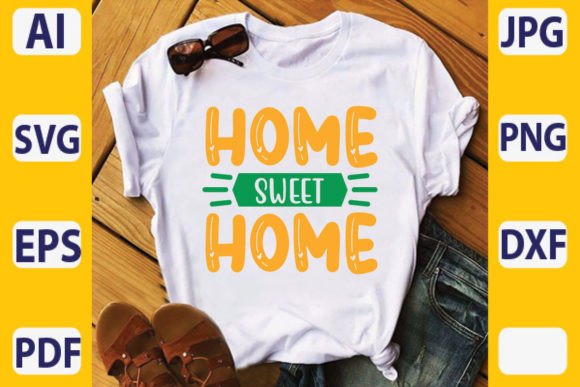
Home Sweet Home: A Designer's Real-World Embroidery Review
As someone who has spent years stitching custom apparel, reviewing design assets for boutique shops, and testing embroidery files on everything from delicate baby onesies to heavy-duty canvas totes, I know that the difference between a good project and a great one often comes down to the specific design chosen. Today, I am evaluating Home Sweet Home, a print template designed for embroidery applications. My goal is not just to describe what it looks like on a screen, but to analyze how it performs when the needle hits the fabric in a real production environment.
The First Impression and Design Personality
When you first open the file for Home Sweet Home, the immediate feeling is one of warmth and approachability. Unlike some designs that rely on aggressive fonts or overly complex imagery, this piece leans into the cozy aesthetic that defines modern handmade goods. The layout suggests a balance between typography and decorative elements, creating a visual rhythm that feels inviting rather than cluttered. It possesses a "lived-in" quality that resonates perfectly with customers looking for personalized gifts or items that add character to their space.
In terms of mood, it screams comfort. Whether you are designing for a nursery, a kitchen, or a family room, this design carries an emotional weight that connects instantly with the viewer. It isn't trying to be avant-garde; instead, it aims to be timeless. For an Etsy seller or a small shop owner, this kind of reliability is gold. You want designs that customers recognize immediately as something they would feel comfortable buying for themselves or gifting to a loved one. The visual personality here is friendly, unpretentious, and highly marketable.
Real-Life Application: From Screen to Stitch
Let's imagine a specific scenario. You are preparing a batch of custom embroidered tote bags for a local craft fair. These bags will feature the Home Sweet Home design on the front pocket. This is a classic use case where the design needs to hold up under stress while maintaining its charm. Because this is a print template intended for digitization or direct application, the initial setup requires careful attention to how the stitches will lay out on the canvas material.
If you were to transfer this to a sweatshirt, the impact changes slightly. On a soft fleece, the design might appear softer, with the satin stitch blending more naturally into the texture. However, on a structured cap, the curvature of the brim could distort the lettering if the hoop size isn't adjusted correctly. I have found that this design works exceptionally well on pillow covers and tea towels. The flat surfaces allow the details to shine without the distortion issues common on curved garments like hats or aprons.
For commercial embroidery projects, such as branding merchandise for a boutique, Home Sweet Home offers high versatility. It serves as a perfect anchor for a collection. Imagine a line of holiday gifts featuring this motif alongside seasonal accents. The design acts as a consistent brand element that ties disparate products together, enhancing professional presentation and buyer engagement. When a customer sees a cohesive look across a set of items, their trust in the maker increases significantly.
Navigating Challenges: Where to Be Careful
While the design is robust, no single file is a universal solution. There are specific scenarios where Home Sweet Home requires caution. If you are working with small hoop sizes, you must scrutinize the fine details. Tiny lettering or intricate decorative accents can become muddy if the stitch density is too high for the available space. On textured fabrics, such as heavy boucle or loose-weave linen, the stabilizer choice becomes critical. Without proper backing, the tension might pull the fabric, causing the letters to warp.
Thin fabrics present another hurdle. If you attempt to embroider this directly onto a lightweight silk or a sheer curtain without a tear-away stabilizer, the result could be puckering. Similarly, stretchy fabrics like jersey require a stretch stabilizer to prevent the design from distorting after washing. Dark fabrics also demand a strategic approach to thread colors. If the design relies on light threads for contrast, you may need to apply a top stabilizer or adjust the thread palette to ensure the text remains legible against the background.
I would also advise against using this design for products that undergo frequent, harsh washing, such as work uniforms or heavy-duty cleaning rags, unless the stitch count is reinforced. The longevity of the finish depends heavily on the quality of the thread and the stability of the fabric. For delicate items like baby clothes, always test the design on scrap fabric first to ensure the back of the embroidery doesn't irritate sensitive skin.
Practical Notes for the Professional Maker
To get the most out of this embroidery file, there are several technical steps you should take before starting your main project. First, always run a test on a scrap of the exact fabric you intend to use. This allows you to see how the fill stitch and running stitch interact with the material grain. Check the thread color contrast by viewing the design in black and white mockups; sometimes a color that looks vibrant on a monitor loses definition in person.
Confirm your hoop size matches the dimensions of the design. If the design is large, ensure your machine can accommodate it without cutting off edges. Inspect small details closely; if any parts look too thin, consider adjusting the digitizing settings to increase the width of the lines. Use the proper stabilizer for your fabric type—cut-away for stability on knits and tear-away for wovens. Finally, review the licensing terms thoroughly. Ensure you have the right to sell finished products made with this design, especially if you plan to use it in a commercial capacity.
Impact on Visual Appeal and Product Value
The ultimate measure of a design like Home Sweet Home is its effect on the finished product's perceived value. A well-executed embroidery job elevates a simple item into a luxury good. When the stitches are crisp, the tension is even, and the design sits flush against the fabric, the customer perceives higher quality. This design, with its clear shapes and balanced composition, lends itself to high-quality execution that reinforces brand consistency.
For digital product sellers offering printable mockups, this design provides a realistic preview of how the final item will look. It helps buyers visualize the potential of their investment. In the context of a handmade product, the personal touch of this design adds a layer of emotional value that mass-produced items simply cannot match. It transforms a standard tote bag or a plain towel into a cherished keepsake.
Whether you are a hobbyist making a gift for a neighbor or a seasoned entrepreneur scaling your crafter business, Home Sweet Home offers a reliable foundation. It strikes a chord with the desire for home and belonging, making it a versatile asset for any embroidery project. By understanding its strengths and respecting its limitations regarding fabric and hoop size, you can create finished products that stand out in a crowded marketplace.
Ultimately, the success of this design lies in the hands of the maker. With the right preparation, proper materials, and a keen eye for detail, Home Sweet Home can serve as the centerpiece of beautiful, functional, and profitable handmade creations. It is a tool that, when used wisely, bridges the gap between digital inspiration and tangible, stitched reality.